
What Is Paint by Number? The Complete Encyclopedia Guide

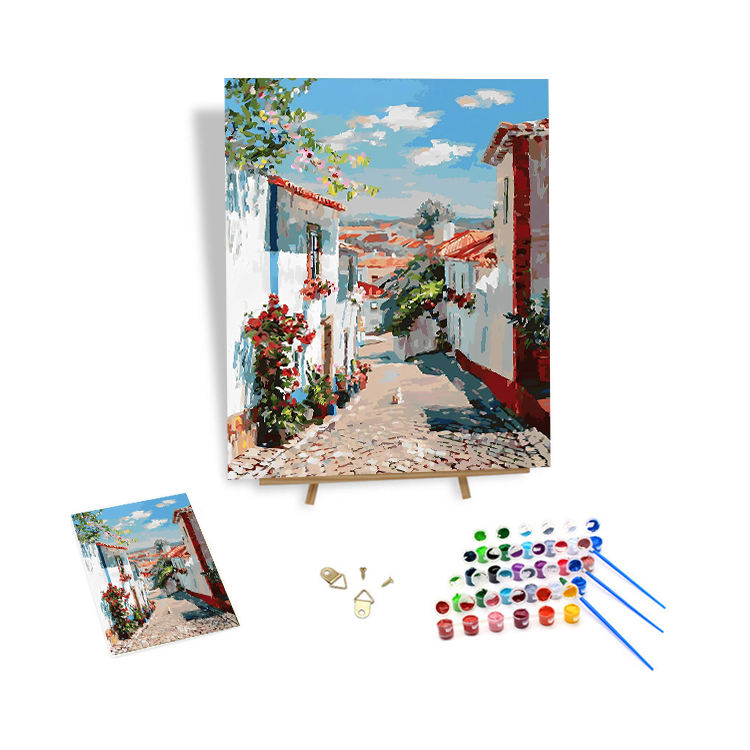
Paint by number (or painting by numbers) is a structured creative system where a pre-printed canvas or board is divided into many small, outlined sections, each marked with a number corresponding to a specific paint color. The kit includes pre-mixed acrylic paints in numbered pots and a set of brushes. By filling each numbered area with its matching color, anyone regardless of artistic skill can complete a recognizable, often surprisingly beautiful painting. At its core, paint by number transforms complex imagery into a simple, guided color-by-number system that democratizes the painting experience.
The Fascinating History: From Leonardo da Vinci to Pop Culture Phenomenon
The conceptual origin of paint by number is often traced back to the Renaissance master Leonardo da Vinci. He famously used a system of numbered patterns on canvases, which his apprentices would fill in to learn the fundamentals of composition and color. This early teaching method planted the seed for what would later become a global hobby.
Flash forward to the early 1950s in Detroit, Michigan. Dan Robbins, a commercial artist at the Palmer Paint Company, was tasked by his boss Max Klein with creating a product to sell more paint. Inspired by the da Vinci legend, Robbins began working on a numbered outline system. His early attempts, more abstract and modern, were rejected by Klein. Robbins then pivoted to traditional, crowd-pleasing subjects such as landscapes, still lifes, and animals.
In 1951, Palmer Paint launched the first six Craft Master paint-by-number kits. Sales started slowly, but a combination of strategic marketing and an unforgettable slogan — “Every man a Rembrandt” — ignited a craze. Department stores like Macy’s couldn’t keep the kits in stock. By 1954, annual sales had surpassed 12 million kits, and at the peak in 1955, Americans bought an estimated 20 million kits. The Palmer Paint Company’s revenue skyrocketed from $30,000 in 1951 to $20 million in 1955.
The phenomenon even reached the White House. President Eisenhower’s administration handed out paint-by-number kits to cabinet members and guests; finished works by J. Edgar Hoover and Nelson Rockefeller were displayed in the West Wing.
Decades later, the Smithsonian Institution’s National Museum of American History formally recognized this cultural moment with a major exhibition titled “Paint by Number: Accounting for Taste in the 1950s” (2001), cementing the kits’ place as a significant slice of American history.
How Paint by Number Works: From Photo to Canvas
Modern paint-by-number manufacturing is a seamless blend of art and technology. The process generally involves four steps:
-
Image Digitization and Analysis: A chosen image — whether an iconic masterpiece, a landscape, or a personal photo — is fed into specialized software.
-
Color Separation and Simplification: Algorithms break the continuous tones of the photograph into a finite number of discrete, closed regions, essentially converting gradients and shadows into blocks of solid color. The quantity of colors (e.g., 24, 36, or even 90) determines the final painting's level of detail.
-
Automatic Numbering and Color Matching: Each segmented region is assigned a unique number, which directly corresponds to a pot of pre-mixed paint. A reference sheet or miniature color guide is included.
-
Kit Assembly: The final product — a pre-printed numbered canvas, a set of matched acrylic paints, several brushes in different sizes, and a paper reference — is packaged into a complete “studio in a box.”
Today, AI technology has made personalization instantaneous. You can upload a personal photo (of a pet, a family portrait, or a favorite travel memory) to a custom paint-by-number service, and within seconds the system generates a fully numbered template. This turns meaningful memories into an art project you paint yourself.
Physical and Mental Benefits of Painting by Numbers
Beyond a nostalgic pastime, paint by number offers multiple wellness benefits that resonate strongly in our fast-paced digital world:
-
Stress Relief and Mindfulness: The structured, repetitive nature of filling in small shapes with a brush induces a meditative flow state. Many hobbyists describe the activity as a proven way to unwind after a long day, with some noting it helps manage chronic pain and anxiety by focusing the mind on a single, calming task.
-
Enhanced Focus and a Sense of Achievement: Completing a painting often requires sustained attention over many hours. In an era of constant interruptions, this practice strengthens focus. Hanging a finished work you brought to life provides a tangible sense of accomplishment that boosts self-esteem.
-
Art Therapy and Mental Health Support: Therapists sometimes incorporate paint by number as a non-intimidating tool for emotional expression. Unlike a blank canvas that can provoke anxiety, a numbered kit offers a safe, guided structure. This makes it easier for individuals to explore feelings, stay engaged during recovery, or simply maintain a positive mental state.
-
Education and Family Bonding: It is the perfect entry point into art for both children and adults. The activity teaches color theory and brush control naturally, and it serves as excellent screen-free bonding time for entire families.
The Cultural Debate: Art or Mere Craft?
From its commercial explosion, paint by number has ignited a sharp cultural debate between “high” art and popular entertainment.
Critics, including many mid-20th-century intellectuals, dismissed it harshly. Some described it as an oversimplified, almost mindless activity, asking if thousands of adults following a numbered diagram weren’t proving something disheartening about modern culture. The underlying fear was that mass-producing culture by numbers would blur the line between genuine creativity and a manufactured product.
However, advocates and cultural historians have defended paint by number as a landmark event in the democratization of art. Its core promise — “Every man a Rembrandt” — spoke to the idea that the act of creation should not be reserved exclusively for the elite. It gave millions of ordinary people the deeply personal experience of lifting a brush and building a picture with their own hands.
Notably, Andy Warhol, the pope of pop art, collected and completed paint-by-number works, exhibiting them as a commentary on mass production and taste. Dan Robbins never claimed the finished canvases were “real art.” He preferred to call them an “experience of art,” emphasizing the process over the product. The enduring debate depends on how one defines art: as exclusive original expression or as a meaningful creative experience available to everyone.
Frequently Asked Questions (FAQ)
What exactly is included in a paint-by-number kit?
A standard kit contains a pre-printed canvas (often stretched and framed, or as a rolled sheet) with numbered outlines, a set of numbered acrylic paint pots, a selection of brushes (typically small, medium, and large), and a reference image of the finished painting. Some premium kits also include a wooden frame and hanging hardware.
How long does it take to finish a painting?
The time required varies widely depending on the canvas size, the number of colors, and your personal pace. A typical 16x20 inch (40x50cm) kit with 24 colors may take between 10 and 30 hours of total painting time. Many people spread this over several relaxed sessions.
Is paint by number suitable for complete beginners?
Absolutely. The system is engineered for zero prior painting experience. Think of it as “coloring for adults” with a brush — a guided art experience that yields impressive results without requiring drawing skills or a knowledge of color mixing.
My paint pots are drying out. What should I do?
Acrylic paint dries quickly. Always close a pot immediately after use, even if you plan to return to it soon. If the paint thickens, you can revive it with a few drops of water or, ideally, a special acrylic flow medium. Stir thoroughly and test the consistency on scrap paper.
Are paint-by-number paintings subject to copyright?
Most kits sold through reputable retailers use images that are either in the public domain or properly licensed. If you commission a custom kit from a personal photo, the resulting painting’s copyright remains yours. Finished paintings are fine for personal display or gifting, but you cannot legally reproduce a copyrighted character or design for commercial sale without a license.
Is paint by number considered “real art”?
This remains the defining question. Traditional fine art circles typically do not classify it as original art, since the composition, color choices, and segmentation are determined by a designer or algorithm, not the painter. However, many proponents argue that the process offers a genuine artistic experience, craftsmanship, and a unique emotional reward. As Dan Robbins said, it is “an experience of art” — and for millions, that experience is real and valuable.
Where Is Paint by Number Today?
Far from being a retro curiosity, the paint-by-number market is enjoying a significant modern resurgence. Recent market reports value the global paint-by-number kit market at approximately $1.56 billion in 2024, projected to grow at a compound annual growth rate (CAGR) of around 7.1% over the next several years. This growth is fueled by rising awareness of art therapy, demand for screen-free hobbies, popularity of adult coloring and craft kits, and the explosion of custom-kit services enabled by AI.
What began as a clever scheme to sell more paint in a Detroit workshop has evolved into an enduring global phenomenon — one that continues to bridge the gap between everyday life and the joy of creation. It never promised to turn everyone into a master artist, but it has kept its original, bold guarantee: giving every ordinary person the chance to complete a painting they can proudly hang on their wall.